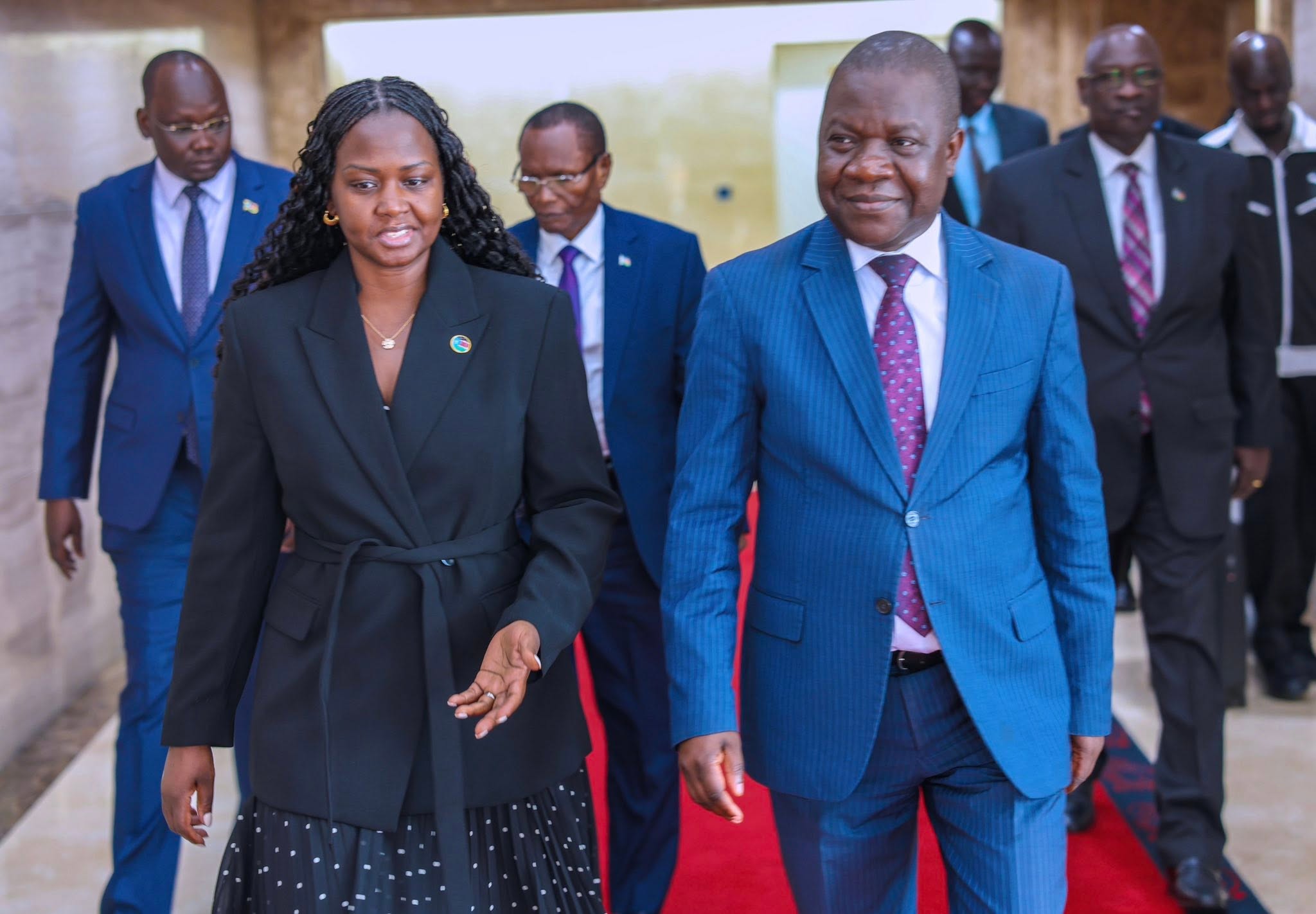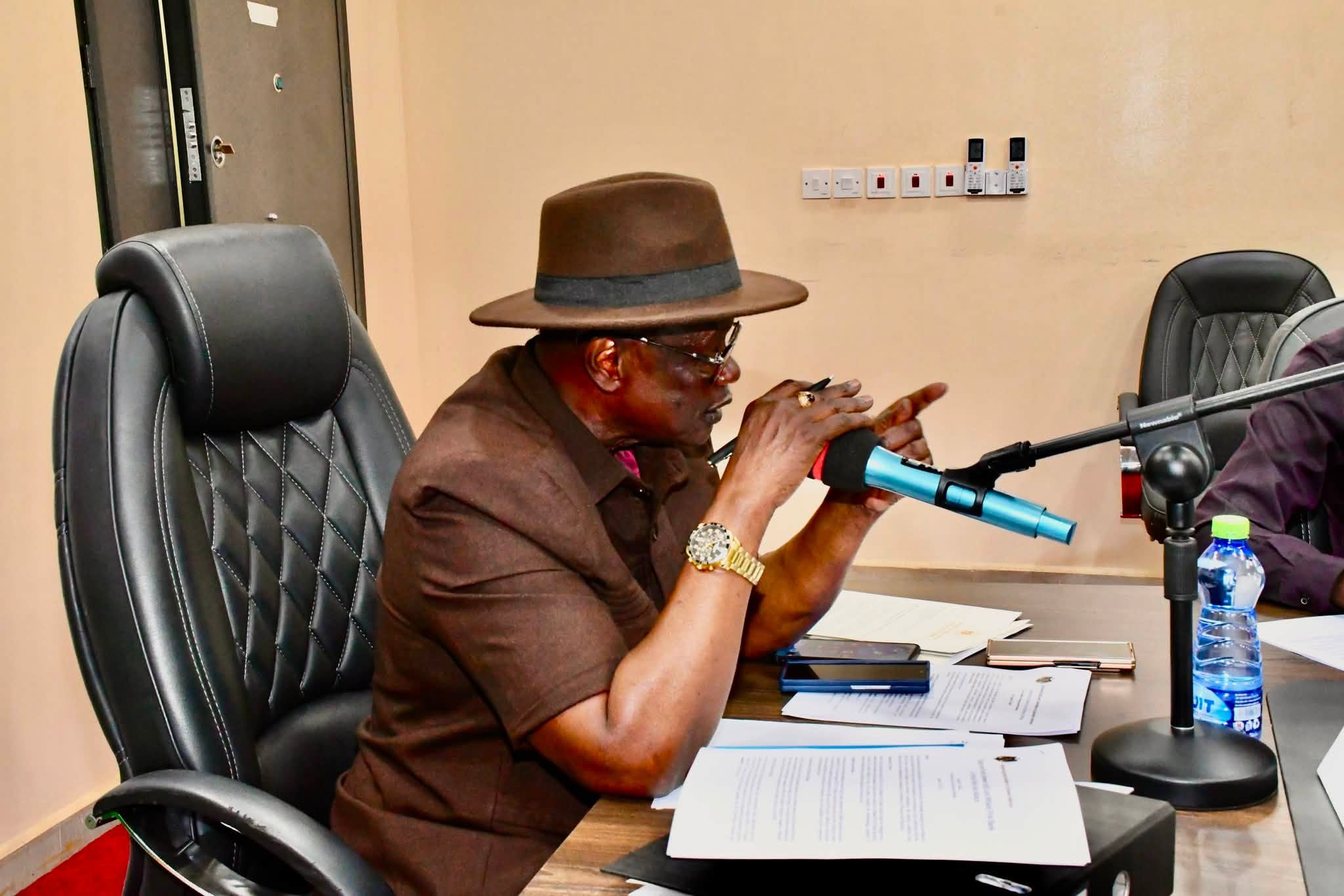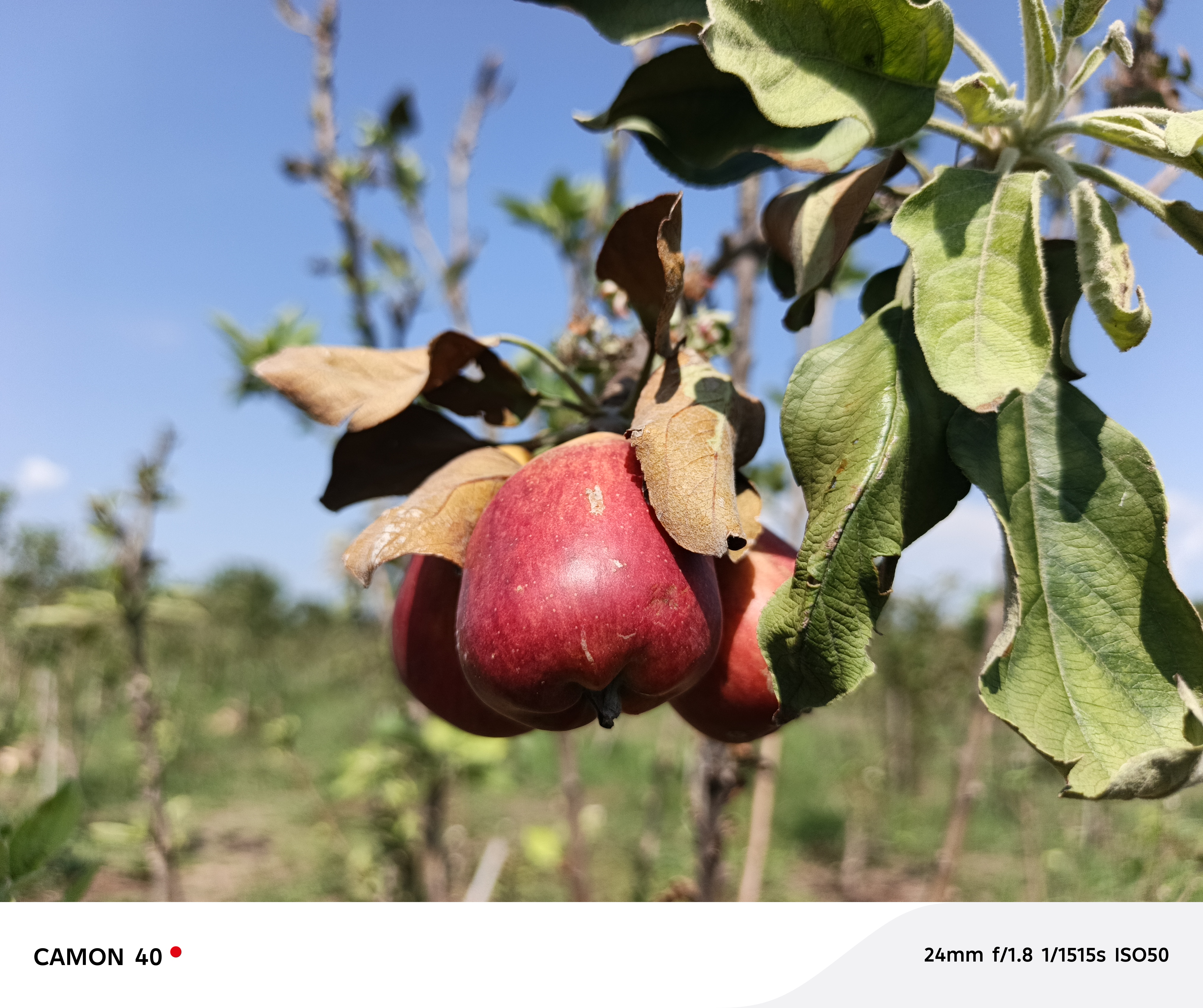
Prolonged dry spells and unpredictable rainfall are threatening crop production in South Sudan, with farmers warning that continued heat and insufficient rain could worsen food insecurity across the country.Jamal Wani, a farmer and owner of Loggo East Mixed Farm, says the effects of prolonged dry spells are already being felt on the farm, with crops struggling due to a lack of water.“We cannot pin down when the rain starts and when it will stop. Before, we knew by the end of March it would start, but now it is the opposite. Now you can see the plants are looking dry; they need water,” said Wani.Wani says the reduction in rainfall has affected crop production and could leave farmers unable to produce enough food for both the market and their households.“If we do not have more rain, we will face hunger. Everything is down, which means what we are producing will not be enough for the market or even for ourselves,” he said.Loggo East Mixed Farm produces maize, watermelons, sweet potatoes, pumpkins, bananas, beans, vegetables and cassava. However, Wani says much of the farm’s production has been affected by the prolonged dry spell, leaving only limited produce for household consumption.The farmer is calling on the government and development partners to support farmers with alternative water supply systems, including boreholes, water pumps and irrigation facilities.“We need the support. We need boreholes here and some water pumps to help us do irrigation farming. With that kind of support, we can do what we can and fight hunger,” Wani said.He also highlighted drip irrigation as one possible solution for farmers facing prolonged dry periods.“Drip irrigation is a very sure means for plant growth during dry seasons and dry spells. The water will slowly reach the roots of the crops,” he said.Farmers Count LossesBaguma John, the farm manager at Loggo East Mixed Farm, says the farm continues to record losses because of insufficient rainfall.“We do not have enough rain. It cannot sustain the farm enough, meaning we shall not supply the market as usual,” Baguma said.Baguma, who has been farming since 2012, says changing weather patterns are threatening both crops and livestock, as pasture and other animal feeds also dry up during prolonged dry spells.“If these crops dry, there will be hunger,” he added.Government Highlights Agricultural SupportEmmanuel Simaya Kumba, Director for Agricultural Mechanisation at the Ministry of Agriculture and Food Security, says the government has been supporting smallholder farmers by distributing agricultural machinery, including tractors, to states and counties.He said the ministry is assessing the impact of the machinery and exploring additional ways to increase agricultural production and productivity.“Initiatives such as these are very good. We want to assess the level of mechanisation on this farm. Within this year, we distributed tractors to various communities, and we want to assess how far they have been doing. Our main objective is to take a stake in how to support these farmers so that they can increase agricultural production and productivity,” Kumba said.Kumba also encouraged communities across the country to engage more actively in agriculture and food production as part of efforts to address food insecurity.Andrew Jok Majok, Assistant Director for Procurement at the Ministry of Agriculture and Food Security, said government-led initiatives and support from development partners could help farmers reduce losses and sustain production during difficult periods.“Farms like these might be supported through the drilling of boreholes in farmland. The government is working to put measures in place to enable continuous farming and safeguard food security,” Majok said.He said support could begin with larger agricultural schemes while also reaching persistent smallholder farmers through government programmes and partnerships with development organisations.“We can start with large schemes and smallholder farmers through development partners and government-led initiatives to support these farmers,” he added.Farmers say timely investment in irrigation and other water-management systems will be critical to sustaining food production as unpredictable rainfall and prolonged dry spells continue to affect agricultural communities. Edited